Received a verification code you did not request?
An unexpected SMS does not prove an account takeover. Check the message and your own account without forwarding the code or following an unfamiliar link.
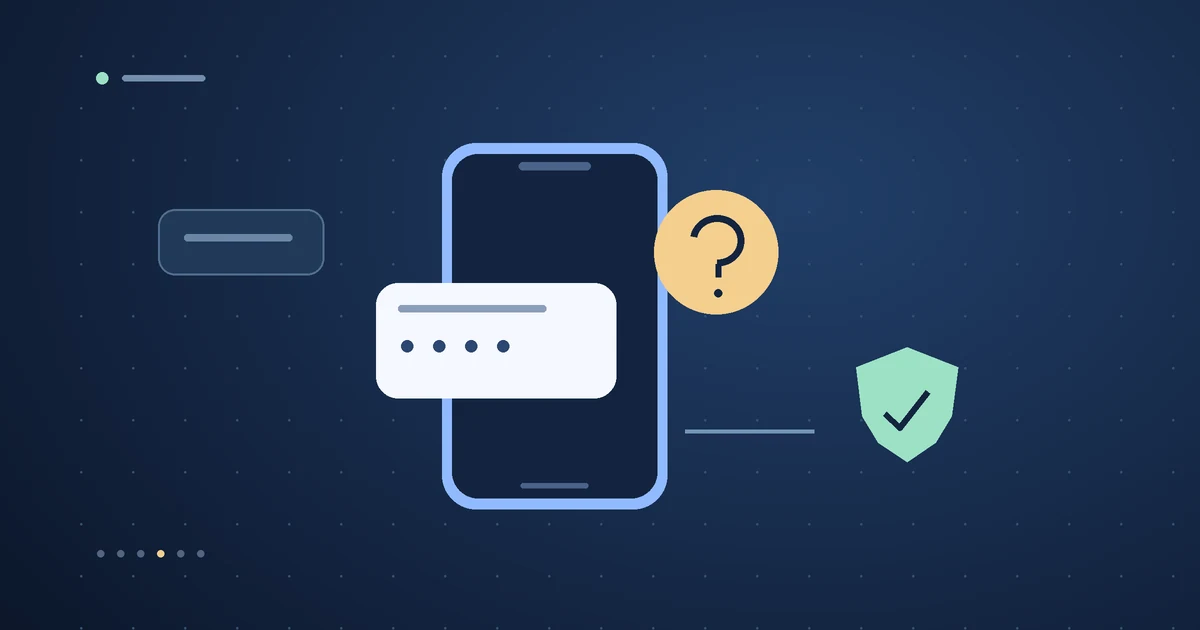
A code can arrive when you are not confirming anything. Do not rush to enter it or forward it to someone asking what it means. Separate the message itself from conclusions: receiving an SMS does not establish that another person has already gained account access.
Pause and read its purpose
Check the named service and the action described. Do not treat the displayed sender name as the only authenticity check. Avoid automatically following a supplied link or replying with the code.
Possible explanations include a mistyped number or an attempt involving your contact information. One message usually cannot establish the exact cause. A controlled check is more useful than guessing who initiated the request.
If you have an account there
Open the official application you know, or type the service address yourself. Review available security notifications, active sessions and recovery settings. If you find unfamiliar activity, follow the platform's official protection procedure.
Do not provide a login code to someone who contacts you immediately afterwards claiming to be support. Read about fake support requests for that situation. Buying a different phone number does not itself secure an existing account.
If you do not have an account
Do not create an account or begin recovery merely to investigate the message. A number may be associated with someone else's account; receiving a code does not authorize you to enter it.
For repeated messages, use the service's official contact route and describe the issue without sending the code. Do not try to identify an account owner by using their secret or posting the message publicly.
If the message appears in a temporary order
Compare it with the selected service and the action you actually initiated. Do not use an unrelated code simply because you currently have access to the number. Keep the order reference and a description of the mismatch with secrets removed.
If a different message arrives from the one you expected, do not try to fit it into your confirmation form. Stop and check the task. An unexpected message is not an extra service or permission to use another person's account.
A short safety checklist
- Do not enter an unsolicited code on a random page.
- Do not forward it to another person or display a screen containing it.
- Inspect your own account through an official interface opened independently.
- Do not initiate login or recovery for someone else's account.
- Follow the platform's official process if you identify unfamiliar access.
Keeping a code private and finding a contact route independently follows the FTC's warning about fraudulent code requests. This does not mean every unexpected SMS establishes that fraud has occurred.
If you already disclosed the secret, use the guide to protecting your account afterwards. For a general explanation of the secret, read why login codes should not be shared.