Shared a code with a stranger? Steps to protect your account
Use the official service and do not disclose more secrets. Your next steps depend on what the code approved and whether you still have account access.
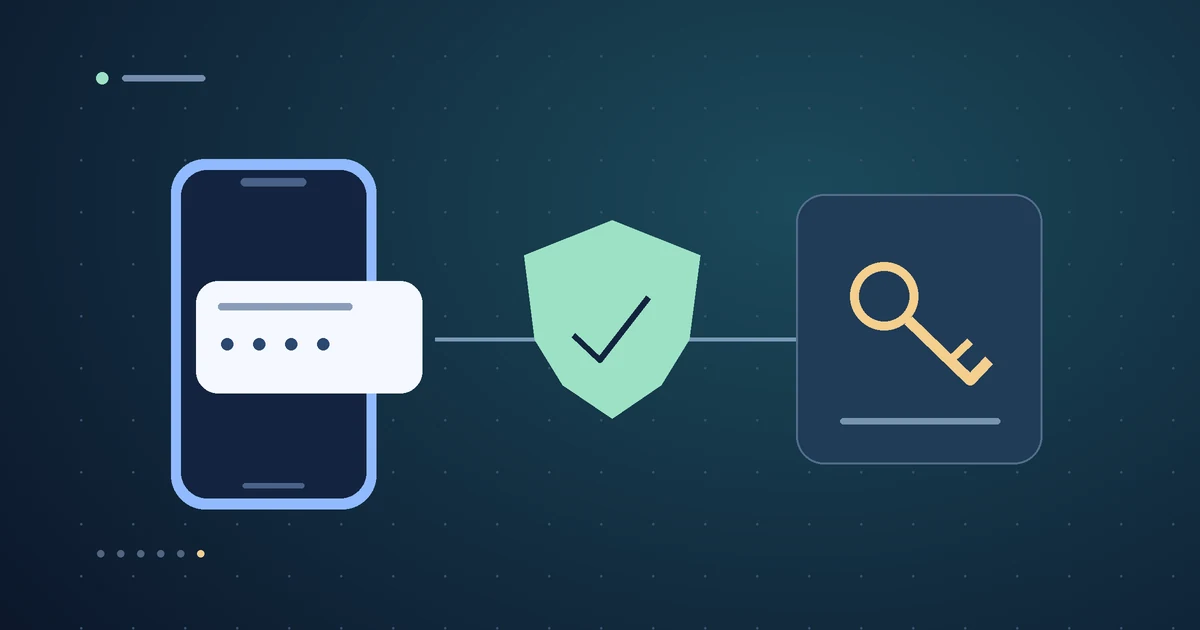
If you read out or forwarded a code to an unknown person, end the contact and do not send further codes. Check what the message approved and whether you still have access. The person's offer to fix the situation does not establish that they are a safe helper.
Identify the action the code approved
Read the original message without forwarding it: the service, purpose and request time. Codes do not all perform the same function. Login, recovery and other confirmations can require different protective actions.
If the purpose is unclear, retain a description and use the platform's official contact route. Do not rely on the person who received the secret to explain what it did or how to undo it.
If you can still access your account
Open the service independently, preferably on a device you trust. Review security notifications, sessions and recovery contacts. Use the official controls available to end unfamiliar sessions and protect your account.
Google's compromised-account guide recommends reviewing security events and devices, and using its official recovery process when sign-in is unavailable. Other services may have different controls and names, so follow their own help instructions.
If you have reason to believe a password was exposed, change it through the official interface. Check your other accounts if you reused that password. Changing a password and ending sessions can be separate actions; do not assume the first always performs the second automatically.
If you can no longer sign in
Use that platform's official recovery page. Do not pay an unsolicited intermediary promising access, or provide them with new codes, backup keys or passwords.
Review the official options before discarding a remaining trusted session: a particular service may use it to help establish ownership. It is not a guarantee of recovery. The result depends on the platform's procedures and the account owner's circumstances.
Review lasting access methods
Check whether recovery contacts or security settings have changed. Important accounts need lasting methods supported by the platform and controlled by you. Temporary SMS reception is not a guaranteed channel for future recovery.
If the disclosed code concerned someone else's account, do not try to access it to see what happened. Possession of a secret does not authorize entry into another person's account.
Prepare information for official help
- The service and approximate incident time.
- The type of information disclosed, without repeating the actual secrets.
- Notifications you received and whether access remains available.
- A description of the contact and sequence of events, with sensitive details removed.
Send information only through the official supported route. Reporting options depend on your circumstances and country; a foreign reporting address is not a universal replacement for local assistance.
Avoid a second disclosure
Another supposed helper may approach after the first incident. Verify that contact as independently as any other support request. A previous mistake does not give anyone a right to your secrets.
Responsibility for deception belongs to the person committing it. To recognize a similar contact earlier, read fake support requests. For lasting access planning, review login and recovery differences.