When fake support asks for your login code
Knowing your name or order reference does not establish a contact’s identity. Verify the channel and distinguish support details from a login secret.
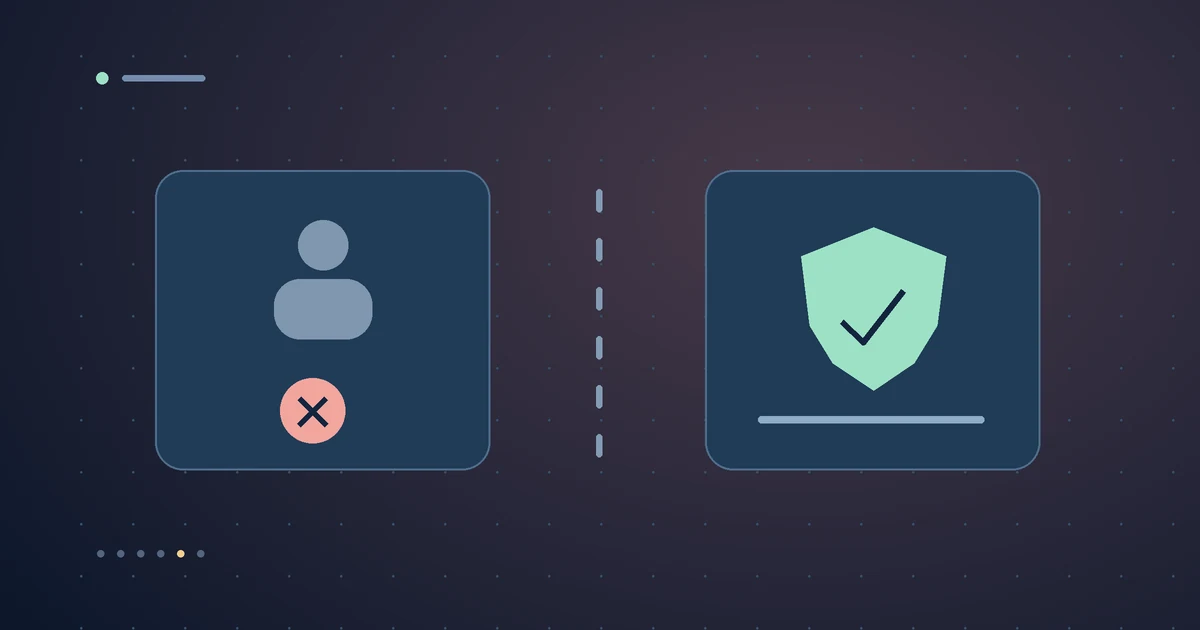
Someone describes a problem with your order, mentions familiar details and offers help. It is easy to assume the channel has already been verified. Knowing your name, chosen service or purchase time does not establish a right to receive your login code.
Verify the channel independently
Open the official website or application yourself and find its supported contact method. Do not use an address, link or phone number supplied by the unknown person as the evidence that they are genuine.
The FTC warns that impostors can pose as technical support and create a sense of urgency. The useful check is whether you have independently reached an official channel, rather than whether the story sounds convincing or the profile displays a familiar logo.
A ticket reference is not a login code
An order or ticket reference helps locate an issue. A login or recovery code approves access to an account. A request for the latter is not simply another order detail.
Some services have separate procedures to verify support requests. Assess those using their official instructions and the message's stated purpose. If an SMS says it approves login or recovery, another person's description cannot turn that secret into an ordinary ticket number.
Three reasons to pause
- You are asked to read out or forward a login, recovery or other secret confirmation code.
- You are asked to display secrets on screen or install an unfamiliar remote-access tool.
- You are pressured not to end the conversation and check through an official route.
You do not need to prove fraud before pausing. An unclear purpose or a mismatch with the SMS is already a reason to stop following instructions.
Check the actual support request
Open the original ticket where you created it and review its topic and conversation history. If the contact was unexpected, independently ask the official channel whether the request exists. Do not send a secret in order to verify the identity of the person requesting it.
For a temporary SMS issue, prepare the order reference, service, time and error description. If a screenshot is useful, hide login codes, passwords, API keys and unrelated personal information first.
If the contact threatens loss of access
Check notifications inside your account. Urgency does not change what a code approves or authorize another person to receive it. If access appears at risk, follow the platform's official account-protection or recovery process.
Do not prolong a suspicious exchange to investigate it. End the contact and retain a description without secrets. Tricking users into revealing codes and taking over accounts is unacceptable, even when presented as assistance.
If you already sent the code
Do not provide another code to cancel the first. Move to the guide on protecting access after disclosure. If the interaction began with an unsolicited SMS, also read unexpected verification codes for the initial checks.