SMS verification on a shared computer: what remains afterward
Prefer a trusted device and check sessions, downloads, screenshots and saved credentials after authorized use of a shared computer.
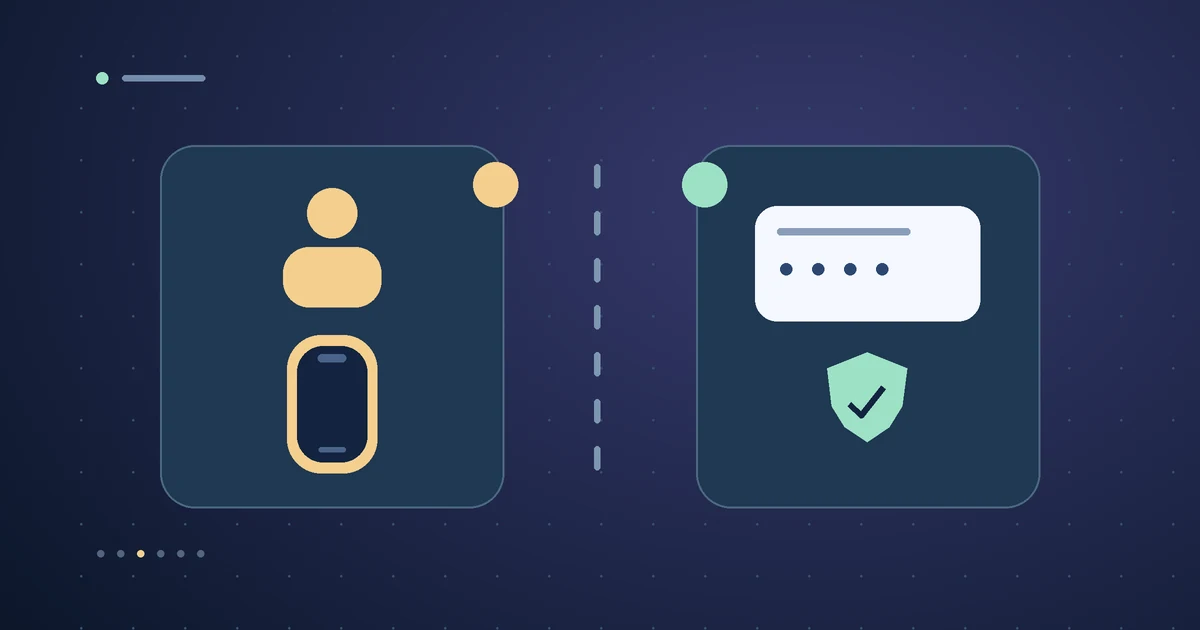
A shared computer can retain more than an open page: saved credentials, downloaded files or clipboard contents may remain. Prefer a device you trust for important accounts. A temporary number does not protect the browser itself from observation.
Assess the device first
Avoid sensitive sign-in on an unfamiliar machine whose condition you cannot establish. Private browsing reduces some local traces; it does not make the device trustworthy or prevent software on that device from observing activity.
On an authorized workplace computer, use your own profile under organizational rules. Do not use someone else's saved session or browse their messages.
Avoid extra copies
Do not save passwords or API keys in a shared browser. Avoid downloading messages to a common folder, photographing live codes or putting secrets into convenient notes.
- Keep only required pages open.
- Check whose account is signed in.
- Decline unfamiliar remote-access requests.
- Never forward a code through public chat.
End the session explicitly
Sign out of Lucky Monkey and the receiving service, then close their tabs. Remove files you created according to the device's rules. Local deletion does not guarantee deletion from backups; avoiding the copy is safer than trying to find every later copy.
If trust has been lost
From a trusted device, inspect your account's session controls and use official sign-out tools. Follow the relevant platform's response process if a secret was exposed. Read about phone-number privacy and responding after sharing a code.
← All articles