Keeping your personal number separate: benefits and limits
A separate contact can keep your main number out of a short task. Privacy still depends on the entire process, not just the number entered into a form.
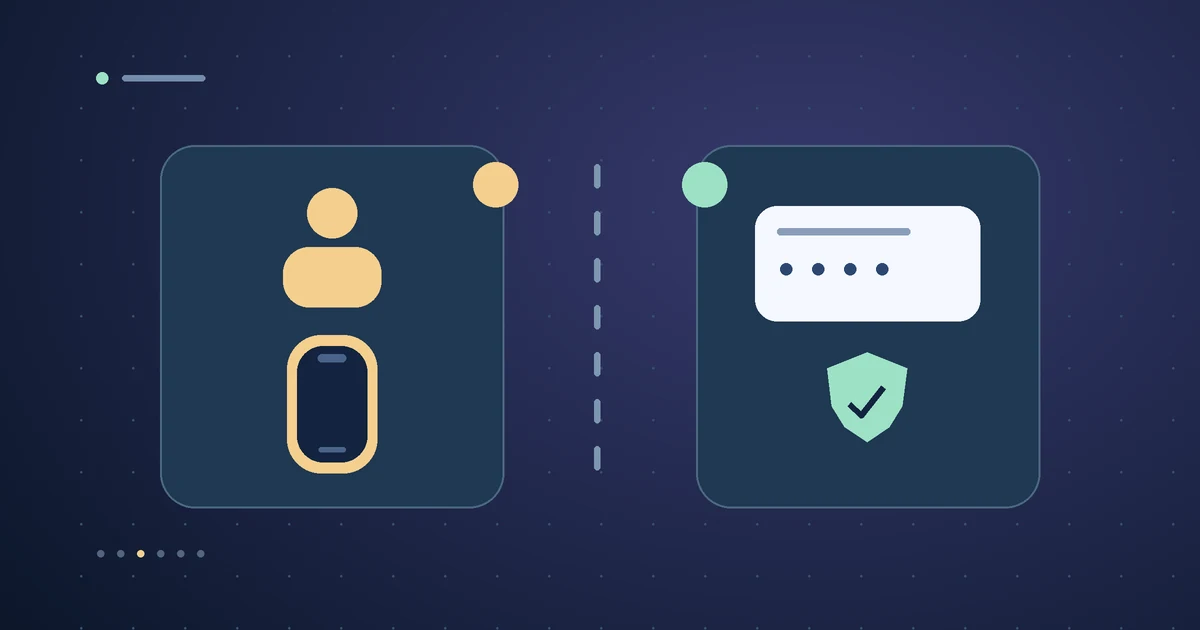
You may prefer not to use your main phone number for every brief interaction. When a platform permits temporary numbers, a separate contact keeps your permanent number out of that particular operation. It does not make the whole session anonymous or stop the services involved from processing data.
What actually changes
You enter a different number into a particular service's form. This separates your main contact from one action. It does not establish that the platform cannot associate the visit with an account, a device or other information you provide.
A suitable example is a permitted one-off confirmation after which you will not need another SMS to the same number. If you expect regular logins, a permanent contact under your control is usually the more appropriate choice.
Who handles the message
In a simplified flow, you start an action on a platform, the platform sends an SMS, delivery providers carry the message and the receiving service displays it in your order. Depending on the implementation, participants may process the number, message content and technical information.
That flow gives no basis for promising zero logs, invisibility or an absence of personal data. Read the privacy policy of each service and decide whether its practices fit your task. Paying for reception does not itself prove anonymity or permanent exclusivity of a number.
Your own actions matter too
- Do not publish a verification message or an unredacted screenshot of a private order.
- Leave unnecessary account details out of support requests.
- Use distinct, strong passwords and the security options the platform provides.
- Check the website address before entering a code, rather than after the action finishes.
Reducing the information you disclose is not a substitute for account protection. A code forwarded to someone else is still exposed, however rarely the receiving number has been used.
When separation can create a new problem
If the service asks for another SMS later, the temporary number may no longer be available. For an important account, that loss of control matters more than the convenience of a single confirmation. Do not use short-term access as the sole recovery method for primary email or other critical accounts.
Read about sign-up, login and recovery before ordering. It helps you consider future access rather than just the form in front of you.
Decide without relying on broad promises
Define the action, confirm that the platform permits this number, consider what contact you will need later and identify which data you are comfortable sharing. Then compare the available methods. Choosing your own permanent number is a useful outcome if temporary reception does not fit.
Start with responsible one-time SMS uses and read how to protect your login codes before using a message. Privacy decisions work best when the full process, including future access, is considered together.
← All articles