Teach SMS verification with mock data instead of live codes
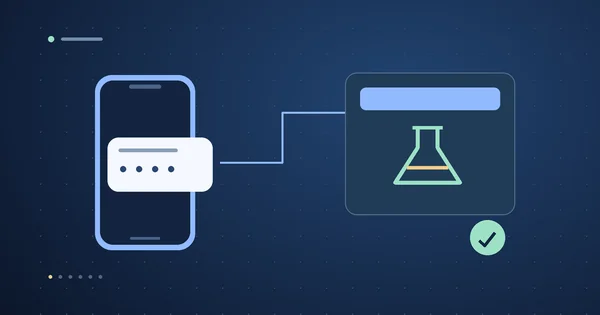
Build a clearly marked demonstration with fictional accounts, message mockups, expiry and unexpected-message cases, without recording working secrets.
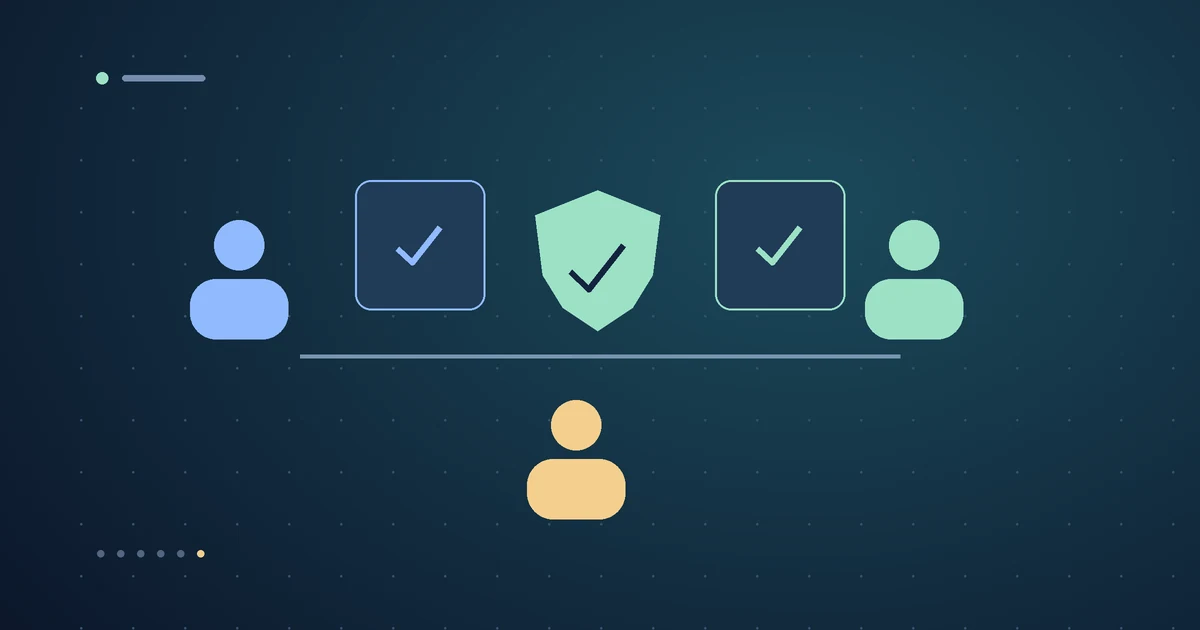
You do not need to buy a number in front of a class to explain verification. A mockup lets you pause, discuss an error and repeat an exercise without spending money or revealing a live secret.
Label the learning environment
Use a slide or isolated page clearly marked as a demonstration. Choose a fictional account and values that do not work in a real service. Never add a universal classroom code to production software.
Show three separate things: the user's action, the message and the confirmation result. This explains why receiving SMS alone does not prove that signup completed.
Prepare three small cases
- A valid fictional value completes the mock action.
- An expired value produces a useful error.
- An unexpected message prompts a pause and source check.
Ask learners what they would inspect before entering a code. The purpose is an informed action on their own account, not fast transcription or obtaining another person's messages.
Review the recording
Close personal accounts and notifications before recording. Check frames containing the address bar, clipboard tools, terminal logs and window switching. Masking one field is insufficient if another frame shows the same secret.
Separate demonstration from real delivery
If live SMS is genuinely needed, arrange a small authorized run with a compatible channel, owner and budget. Do not use random participants' numbers. Start with the test-permission brief and the family and team workshop.
← All articles