SMS, authenticator apps and passkeys: choosing a login method
Compare number access, code entry and recovery. A one-time code is not automatically phishing-resistant, and every method needs a backup plan.
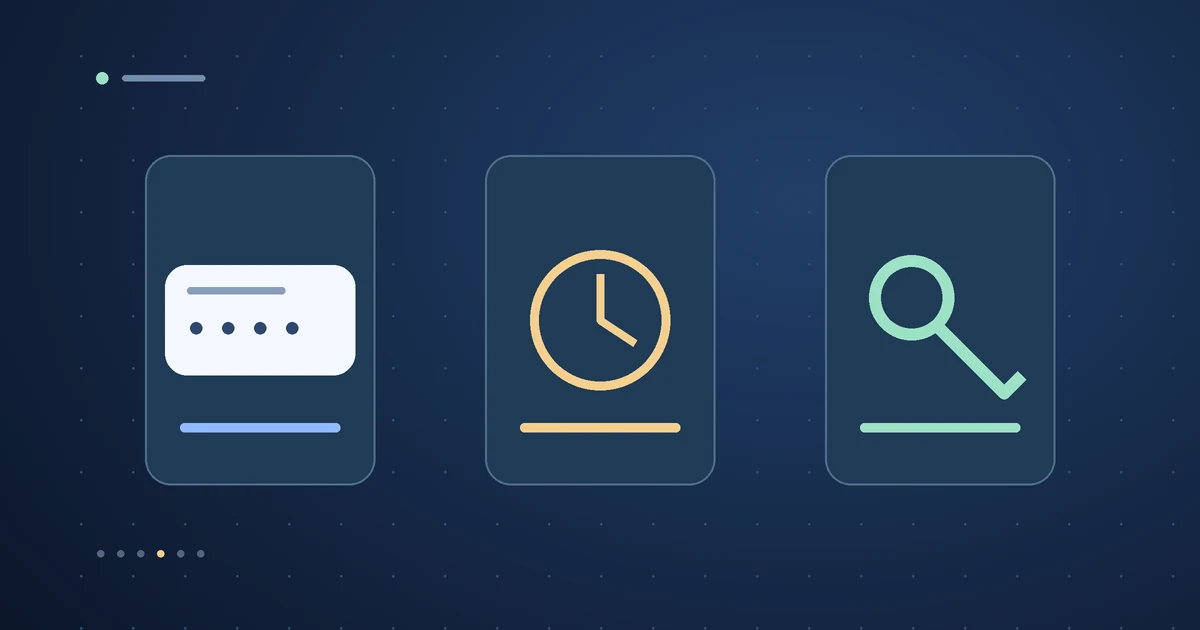
A service may offer SMS, a code from an authenticator app or a passkey. These methods have different dependencies and recovery needs. Choose among the options your platform actually supports and plan a backup before changing your login settings.
SMS depends on number access
A message travels through the phone network, so access to the number and delivery matter. Losing a SIM, changing providers or losing control of a contact can require the platform's recovery process.
Enter a code only for your own action in an official interface you opened independently. Sharing it with a caller or entering it on a fake page can still enable abuse. One-time reception addresses a limited permitted task; it is not a permanent recovery method for an important account.
TOTP generates codes in an app
An authenticator generates changing codes from a configured secret and time. It does not need SMS delivery, but you must protect the device and understand supported transfer or recovery methods.
TOTP codes can still be phished. Do not describe them as fully phishing-resistant. The enrollment image and setup secret must also remain private: they can enable generation of future codes rather than a single confirmation.
Passkeys bind confirmation to a service
Passkeys use cryptographic confirmation instead of a short code the user transfers. Binding confirmation to the appropriate service helps resist fake login pages. Unlocking, synchronization and storage depend on the device and credential provider.
This does not remove recovery planning. Check what happens if a device is lost and how the account used for synchronization is protected.
Choose a primary method and backup
- Review security settings on the official site.
- Consider a phishing-resistant option for important accounts when supported.
- Prepare the platform's recovery codes or another approved recovery route.
- Ensure losing one device does not remove every login option.
NIST describes authenticator differences as technical guidance, not a promise that every website offers the same features. The Google service page explains SMS-related limitations; the lasting-access guide helps plan future recovery.