Contract-test an SMS API client without live orders or codes
Use fictional responses to check schemas, states, errors, timeouts and exact amounts before spending money or handling real SMS secrets.
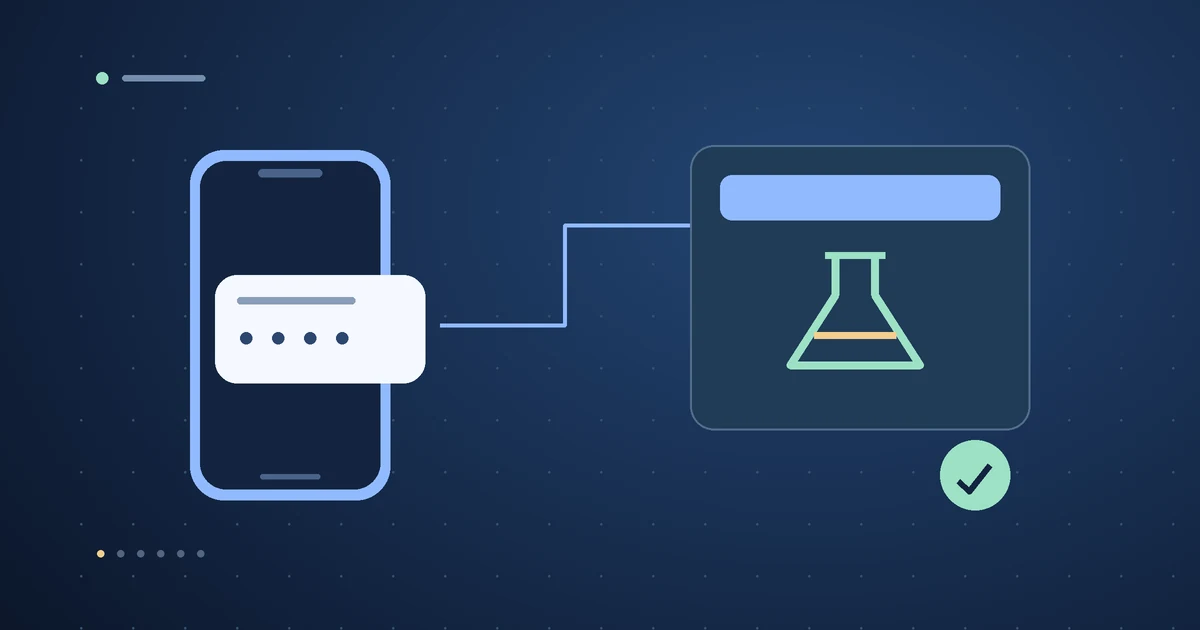
An API client can be tested extensively before its first paid request. Use agreed response examples and a controlled test server. Real messages are unnecessary for checking JSON parsing and state presentation.
Start from the published schema
Download OpenAPI from the Lucky Monkey API section. Check required fields, types, authentication and errors. HTTP 200 alone does not prove that the intended action completed; order data also has meaning.
This is a plan for testing your own client, not a claim that the public API offers a free sandbox. Build mocks and network simulation in your environment.
Prepare a compact response set
- Order accepted and processing.
- Number issued, message not yet received.
- Terminal result returned.
- Parameter conflict or expired key.
- Delayed response or 429.
Use clearly fictional numbers, identifiers and codes. Never put a real Bearer secret in an example or use customer messages as fixtures.
Test behavior as well as shape
After an uncertain network result, retain the original operation. Stop ordinary polling after a terminal state. A failed read must not automatically create another purchase. An unknown state should remain visibly unresolved rather than being silently classified as success.
Keep delivery testing separate
Mocks validate client behavior, not a real SMS route. Delivery requires a separate authorized run with a compatible channel and spending boundary. Find the schema in API documentation and plan a live check with the application-testing guide.